Premium Outdoor WPC Composite Decking - Durable, Low-Maintenance Wood Alternative

All Categories

outdoor wpc

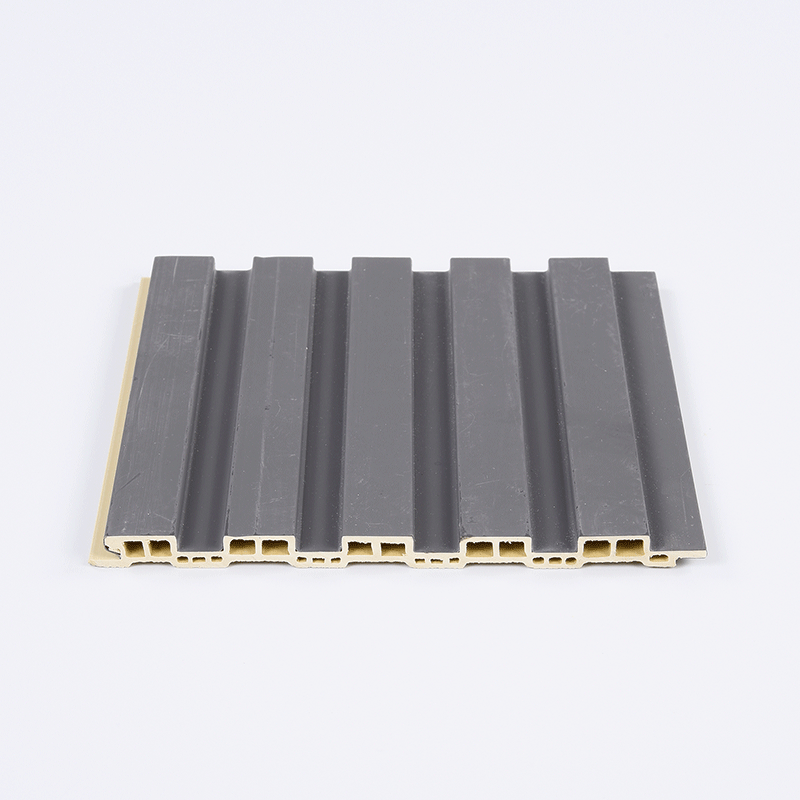
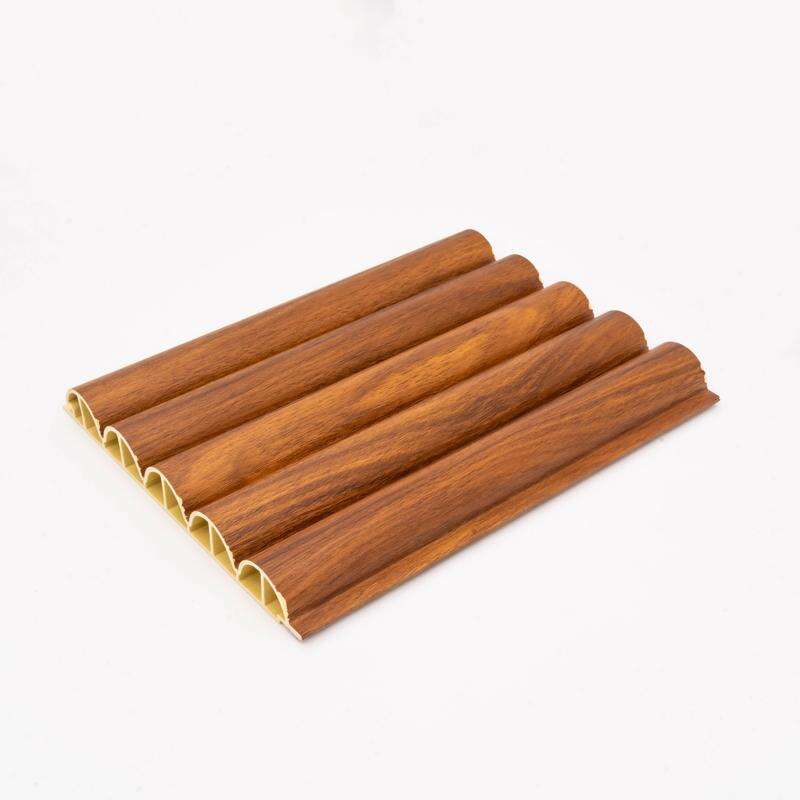
Outdoor WPC, also known as Wood Plastic Composite, represents a revolutionary building material that combines the natural beauty of wood with the durability and weather resistance of synthetic polymers. This innovative composite material is specifically engineered for exterior applications, making it an ideal choice for decking, fencing, siding, and various outdoor construction projects. The outdoor WPC manufacturing process involves blending recycled wood fibers or wood flour with thermoplastic resins, creating a uniform material that maintains structural integrity while resisting environmental challenges that typically affect traditional wood products. The technological features of outdoor WPC include advanced UV stabilization, moisture resistance, and enhanced dimensional stability. These characteristics are achieved through sophisticated polymer chemistry and precise manufacturing processes that ensure consistent quality and performance. The material incorporates specialized additives that prevent color fading, reduce thermal expansion, and eliminate the need for regular maintenance associated with conventional wood products. Outdoor WPC applications span residential and commercial sectors, including pool decking, boardwalks, outdoor furniture, pergolas, and architectural facades. The versatility of this composite material allows for creative design solutions while providing long-term performance in harsh weather conditions. The manufacturing process ensures that outdoor WPC maintains consistent density and structural properties throughout the material, eliminating weak spots and irregularities commonly found in natural wood. Additionally, the composite structure provides excellent screw and nail holding capacity, making installation straightforward for contractors and DIY enthusiasts alike. The surface texture can be customized to mimic various wood grains or achieve contemporary smooth finishes, offering aesthetic flexibility for different architectural styles and personal preferences.


New Products

The primary advantage of outdoor WPC lies in its exceptional durability and minimal maintenance requirements compared to traditional wood materials. Unlike natural wood that requires regular staining, sealing, or painting to maintain appearance and protection, outdoor WPC maintains its color and structural integrity for decades with only occasional cleaning. This translates to significant long-term cost savings for property owners who would otherwise invest substantial time and money in wood maintenance. The material resists moisture absorption, preventing warping, cracking, and splitting that commonly affect wooden decks and structures. This moisture resistance also eliminates the risk of rot and decay, ensuring structural safety and extending the lifespan of outdoor installations. Environmental benefits constitute another major advantage of outdoor WPC, as the manufacturing process utilizes recycled materials including post-consumer plastic waste and reclaimed wood fibers. This sustainable approach reduces landfill burden while creating high-performance building materials. The composite structure provides superior slip resistance compared to wet wood surfaces, enhancing safety for pedestrian traffic on decks and walkways. Temperature stability represents a crucial advantage, as outdoor WPC experiences minimal expansion and contraction with seasonal temperature changes, maintaining consistent gap spacing and preventing structural stress. The material demonstrates excellent resistance to insect damage, eliminating concerns about termites and other wood-boring pests that can compromise traditional wood structures. Color consistency throughout the material thickness ensures that surface scratches or cuts do not expose contrasting interior colors, maintaining aesthetic appeal even after minor damage. Installation advantages include consistent dimensions, reduced material waste, and compatibility with standard woodworking tools and fasteners. The lightweight nature of outdoor WPC simplifies handling and reduces structural load requirements compared to heavier alternatives like concrete or stone. Fire resistance properties exceed those of natural wood, providing additional safety benefits for residential and commercial applications. The non-porous surface resists staining from spills, food, and environmental contaminants, making cleanup simple and effective.

Latest News

Can Decorative Wall Boards Replace Paint and Wallpaper?

26

Aug

Can Decorative Wall Boards Replace Paint and Wallpaper?

Transform Your Interior Design with Modern Wall Solutions The world of interior design is experiencing a revolutionary shift as decorative wall boards emerge as a sophisticated alternative to traditional wall finishes. These versatile panels are rede...
View More
How to Choose the Right Grille Wall Panel for Your Home or Office?

26

Sep

How to Choose the Right Grille Wall Panel for Your Home or Office?

Transform Your Space with Modern Architectural Elements Interior design has evolved significantly over the years, and one element that continues to gain popularity is the grille wall panel. These versatile architectural features combine aesthetics wi...
View More
Top 10 SPC Flooring Brands Compared: Expert Review

27

Nov

Top 10 SPC Flooring Brands Compared: Expert Review

Stone Plastic Composite flooring has revolutionized the commercial and residential flooring industry with its exceptional durability, waterproof properties, and realistic aesthetic appeal. As building professionals and homeowners increasingly seek co...
View More
2025 Guide: SPC Wall Panel Benefits and Installation Tips

27

Nov

2025 Guide: SPC Wall Panel Benefits and Installation Tips

Stone Plastic Composite technology has revolutionized interior design and construction, offering unprecedented durability and aesthetic appeal for modern spaces. The spc wall panel represents a significant advancement in wall covering solutions, comb...
View More

Get a Free Quote

Our representative will contact you soon.
Email
Name
Mobile
Company Name
Message
0/1000

outdoor wpc

Superior Weather Resistance and Longevity

Superior Weather Resistance and Longevity

The weather resistance capabilities of outdoor WPC represent one of its most compelling advantages for property owners seeking long-term value and performance. This composite material undergoes rigorous testing to ensure it can withstand extreme weather conditions including intense UV radiation, heavy rainfall, snow loads, and temperature fluctuations that would typically compromise traditional building materials. The advanced polymer matrix within outdoor WPC creates a protective barrier that prevents moisture penetration, eliminating the primary cause of wood deterioration. This moisture barrier function operates at the molecular level, where the plastic components form a continuous phase that encapsulates wood fibers, preventing water absorption that leads to swelling, warping, and eventual structural failure. The UV stabilization technology integrated into outdoor WPC involves specialized additives that absorb and dissipate harmful ultraviolet radiation before it can break down the material structure or cause color degradation. This protection system maintains the original appearance and structural properties for decades, even under constant sun exposure that would quickly fade and weaken conventional wood products. The longevity benefits extend beyond mere appearance retention, as the stable structure prevents the development of cracks and splinters that create safety hazards and maintenance requirements. Laboratory testing and real-world performance data demonstrate that properly manufactured outdoor WPC can maintain structural integrity and aesthetic appeal for 25-30 years with minimal intervention. This exceptional lifespan represents a significant economic advantage when compared to traditional wood decking or siding that typically requires replacement every 10-15 years. The weather resistance also extends to resistance against freeze-thaw cycles that can cause expansion and contraction damage in porous materials. The consistent density and moisture resistance of outdoor WPC prevent ice formation within the material structure, eliminating the internal pressure that causes cracking and deterioration in natural wood and concrete products.
Low Maintenance and Cost-Effective Ownership

Low Maintenance and Cost-Effective Ownership

The maintenance advantages of outdoor WPC deliver substantial value proposition for both residential and commercial property owners by virtually eliminating the ongoing care requirements associated with traditional outdoor building materials. Unlike wood products that demand annual or bi-annual treatments including sanding, staining, sealing, and painting, outdoor WPC maintains its performance and appearance through simple periodic cleaning with soap and water. This dramatic reduction in maintenance requirements translates to significant labor and material cost savings over the product lifecycle, making outdoor WPC an economically superior choice despite potentially higher initial installation costs. The surface characteristics of outdoor WPC resist absorption of dirt, mildew, and stains that typically penetrate natural wood surfaces and create permanent discoloration. When spills or environmental soiling occurs, the non-porous surface allows for easy cleanup without specialized cleaning products or aggressive scrubbing that can damage natural wood fibers. This stain resistance proves particularly valuable in high-traffic areas such as pool decks, outdoor dining spaces, and commercial walkways where spills and soiling occur frequently. The dimensional stability of outdoor WPC eliminates the need for seasonal adjustments and repairs that wooden structures require as they expand and contract with moisture and temperature changes. This stability prevents the formation of gaps between boards, eliminates the need for periodic fastener tightening, and reduces the risk of structural settling that can create trip hazards or water infiltration points. Professional maintenance services become unnecessary for outdoor WPC installations, allowing property owners to redirect maintenance budgets toward other property improvements or investments. The durability characteristics also mean that outdoor WPC installations rarely require partial replacements due to isolated damage, unlike wood installations where individual boards may need replacement due to rot, insect damage, or weathering. Insurance benefits may also apply to properties with outdoor WPC installations, as the fire resistance and structural stability can reduce risk assessments and potentially lower property insurance premiums.
Sustainable and Environmentally Responsible Choice

Sustainable and Environmentally Responsible Choice

The environmental sustainability of outdoor WPC positions it as a responsible choice for environmentally conscious consumers and organizations committed to reducing their ecological footprint. The manufacturing process typically incorporates 50-95% recycled content, combining post-consumer plastic waste with reclaimed wood fibers that would otherwise contribute to landfill accumulation. This recycling approach diverts significant quantities of waste materials from disposal sites while creating valuable building products that provide decades of useful service. The wood fiber components often derive from sawmill waste, furniture manufacturing byproducts, and post-consumer wood waste, maximizing resource utilization and minimizing forest impact. The plastic components frequently include recycled polyethylene from shopping bags, food containers, and other consumer packaging, transforming waste streams into durable construction materials. This circular economy approach reduces demand for virgin raw materials while addressing plastic waste challenges that affect marine environments and terrestrial ecosystems. The manufacturing process for outdoor WPC typically requires less energy than aluminum or steel production, while the transportation efficiency benefits from lower weight compared to concrete or natural stone alternatives. The longevity characteristics of outdoor WPC contribute significantly to environmental benefits by reducing replacement frequency and associated resource consumption over multi-decade service periods. When outdoor WPC eventually reaches end-of-life status, the material can often be recycled again into new composite products, continuing the circular material flow and preventing waste generation. Forest conservation benefits result from reduced demand for lumber harvesting, as outdoor WPC provides wood-like aesthetics and functionality without requiring tree harvesting for each installation. Carbon sequestration occurs within the wood fiber components, effectively storing atmospheric carbon within the building material for the duration of its service life. The elimination of chemical treatments such as stains, sealers, and preservatives reduces environmental impact from volatile organic compound emissions and chemical runoff that can affect soil and water quality around treated wood installations. Life cycle assessment studies consistently demonstrate lower environmental impact for outdoor WPC compared to traditional wood products when considering extraction, manufacturing, transportation, installation, maintenance, and disposal phases.

Get a Free Quote

Our representative will contact you soon.
Email
Name
Mobile
Company Name
Message
0/1000